Dressing Outdoor Crews for Visibility and Changing Weather
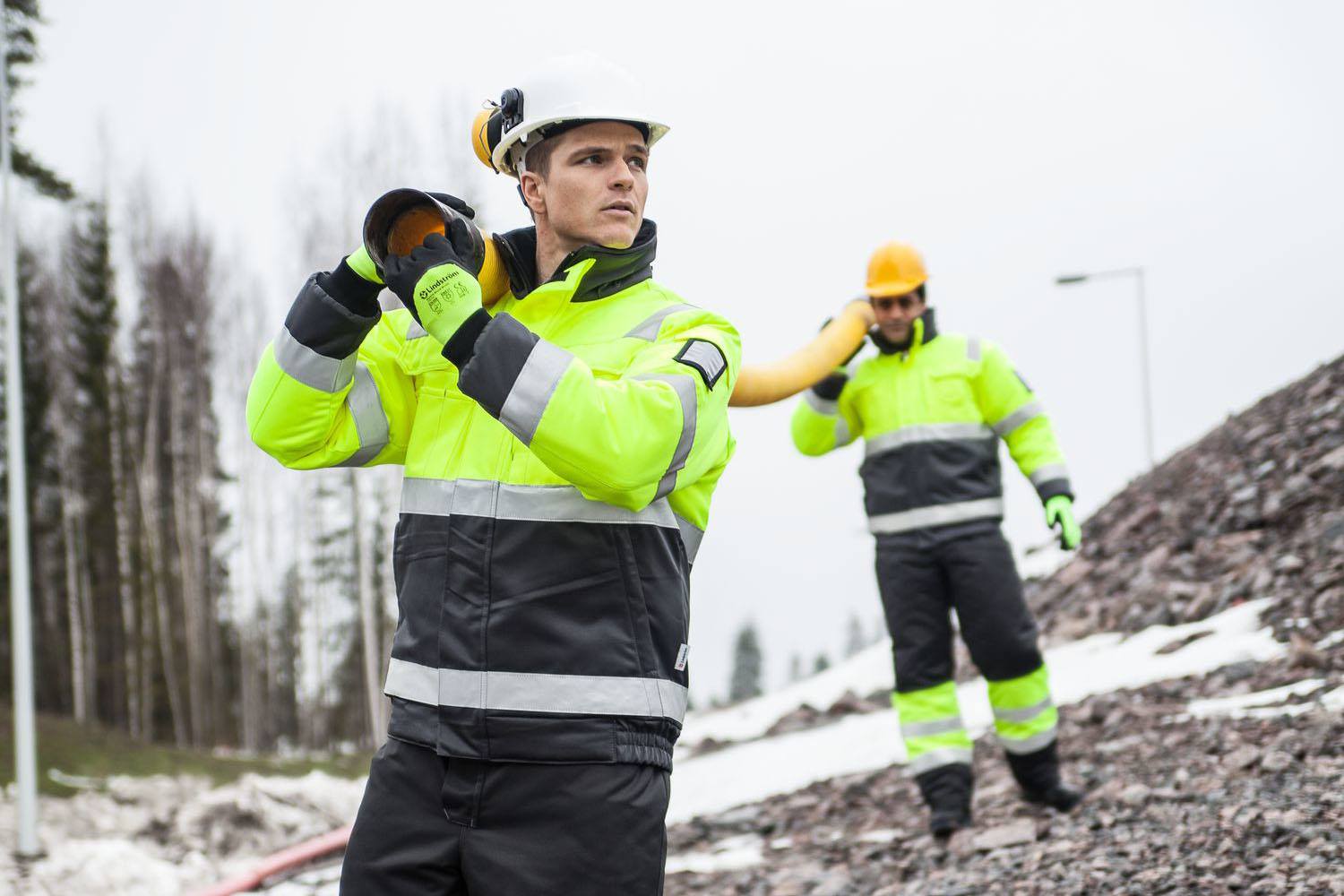
Anyone who has managed an outdoor team knows the problem. The morning starts cold and damp, midday turns warm and bright, and by late afternoon a wind has picked up. Workers who dress for only one of those conditions end up uncomfortable, and uncomfortable people tend to make mistakes, slow down, or quietly leave gear behind.
For crews that also need to be seen by drivers, equipment operators, or colleagues, clothing has two jobs at once. It has to manage the weather, and it has to make the wearer easy to spot. This article walks through a practical way to plan for both.
Start With the Visibility Layer
Before thinking about warmth or style, decide what the visibility requirement is for your work. Roadside crews, warehouse yard staff, parking attendants, and event marshals all face different risks, and the rules that apply can vary by region and industry. Check the standards that govern your worksite rather than assuming one garment fits every job.
Once you know the requirement, build the rest of the outfit around it. A visibility garment is only useful if people actually wear it, which means it has to be comfortable enough to keep on all shift. That is why many employers treat their outermost layer as the anchor of the uniform. Options such as High Visibility Jackets give crews a single, recognizable piece that can sit over whatever they wear underneath, so the visibility function stays constant even when the layers beneath change from day to day.
Why the Outer Layer Should Be Consistent
When the visible layer is the same across the whole team, supervisors can tell at a glance who is on site. New hires also have less to think about, because the rule is simple: whatever you wear underneath, this goes on top.
Build the Middle and Base Layers Around Conditions
The layers beneath the visibility garment do the real work of keeping people comfortable. A basic three-part approach works for most crews.
Base Layer: Manage Moisture
The layer against the skin should be breathable and comfortable during movement. Workers who sweat in a damp shirt will feel colder the moment they stop moving. Encourage simple, soft fabrics that do not irritate during long shifts, and keep spares available for crews who work in wet conditions.
Middle Layer: Add Warmth Only When Needed
A fleece, a knit, or a lightly padded layer can be added on cold mornings and removed as the day warms. The key is that the middle layer should be easy to take off without removing the visibility garment, so workers are never tempted to skip the visible layer just to adjust their temperature.
Outer Shell: Block Wind and Light Rain
Wind is one of the most underestimated causes of discomfort on an outdoor site. A breathable, wind-resistant shell can make a mild day feel far more pleasant than a heavier but unprotected outfit. A packable windbreaker jacket is a useful example for teams working in variable conditions, because it can be stowed in a bag or vehicle and put on only when gusts or drizzle arrive. Always confirm the specific fabric and weather resistance of any garment you choose before relying on it for demanding conditions.
Think About Mobility and Fit
Even the best layering plan fails if the clothing restricts movement. Crews reach, bend, kneel, climb, and lift. When evaluating garments, have a few team members test them through the motions they actually perform.
Some quick checks:
- Can the wearer raise both arms overhead without the hem riding up?
- Do the sleeves stay in place when reaching forward?
- Do pockets and closures work with gloves on?
- Does the jacket sit comfortably over a middle layer without feeling tight?
Fit trials take a little time, but they prevent the common situation where an entire team receives uniforms that nobody wants to wear.
Plan for Care and Replacement
Outdoor workwear gets dirty. Mud, grease, and repeated washing all take a toll, and visibility garments in particular should be inspected regularly for wear, staining, and fading. If a garment no longer looks clean and bright, it may not serve its purpose well. Build a simple routine into your operations:
- Inspect garments at the start of each season.
- Replace anything that is torn, heavily stained, or noticeably faded.
- Keep a small reserve stock so a damaged piece can be swapped out immediately.
- Follow the care label on every garment to avoid shortening its life.
Make It Easy for Crews to Comply
Compliance improves when the system is easy. Provide clear guidance on what to wear in different temperature ranges, keep spare layers in vehicles or at the site office, and ask for feedback. Workers often notice problems, such as a sleeve that catches or a collar that rubs, long before management does.
A short seasonal check-in can go a long way. Ask the team what is working, what is not, and which conditions catch them off guard. Use the answers to adjust your uniform plan before the next change in weather.
Final Thoughts
Dressing an outdoor crew well is less about buying more gear and more about building a sensible system. Keep the visible layer consistent, let the middle and base layers flex with conditions, add wind and rain protection that can be stowed easily, and test everything for comfort and movement. Crews that are comfortable are more likely to wear their gear properly, and that benefits safety, morale, and productivity alike.