Everest Base Camp Trek with Helicopter Return: How Suspension Bridges Connect Himalayan Communities
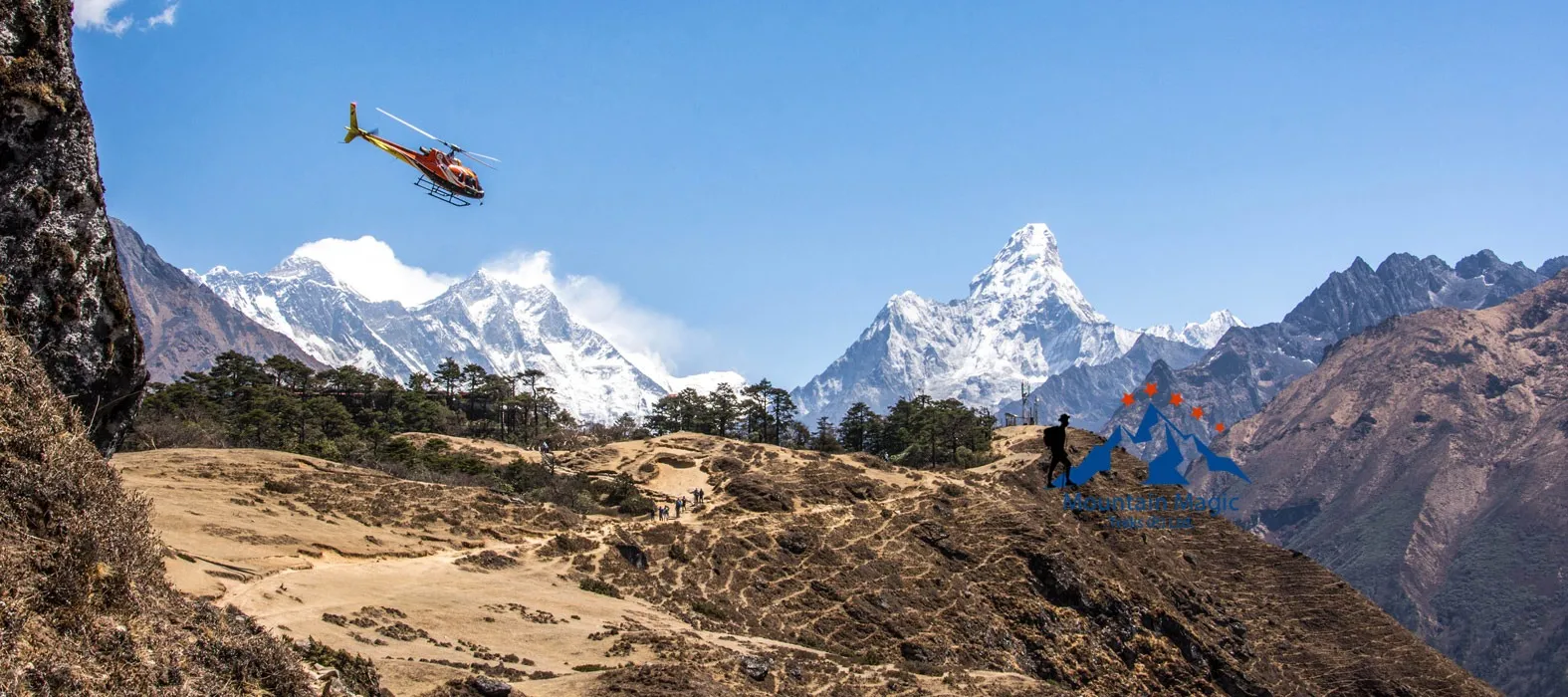
Deep valleys and fast-flowing rivers are part of everyday life in the Himalayas. For people living in remote mountain settlements, crossing these natural barriers is essential for reaching nearby villages, schools, markets, and other important places. Suspension bridges provide a practical solution where building a road bridge may be difficult or too expensive.
These structures are more than simple crossings. Their cables, towers, foundations, and walking surfaces work together to support people moving above rivers and steep valleys. Many bridges also form important links in local transportation networks.
The Everest Base Camp Trek with Helicopter Return takes travelers across suspension bridges that connect different sections of the Khumbu region. Understanding how these structures are built and supported adds an interesting engineering perspective to the mountain journey.
Why Suspension Bridges Are Common in Mountain Regions
Mountain landscapes often contain deep river valleys and uneven ground. Constructing a traditional bridge across these areas may require large foundations and heavy construction equipment.
Suspension bridges can cover long distances while using relatively limited structural support in the middle of a crossing.
Their design is especially useful when communities need a pedestrian crossing over a river or valley.
Connecting Settlements Across Natural Barriers
A river can separate two nearby communities even when they are only a short distance apart. Without a safe crossing, people may need to take a much longer route.
Suspension bridges reduce this difficulty by creating a direct connection.
They can support daily activities such as:
-
Walking between neighboring villages.
-
Carrying household supplies.
-
Moving agricultural products.
-
Transporting goods for local businesses.
-
Supporting access to schools and community facilities.
Building Where Road Access Is Limited
Some mountain locations cannot easily support large road-building projects. Narrow valleys, steep slopes, and environmental concerns can make heavy construction difficult.
A pedestrian suspension bridge may provide a more suitable option when designed for the expected traffic and local conditions.
The Main Parts of a Suspension Bridge
A suspension bridge uses cables to carry the weight of its deck and transfer forces to supporting structures. Each component has a specific role in keeping the bridge stable.
Main Cables
The main cables extend between supporting points and carry much of the bridge’s load.
They are designed to handle tension, which is the pulling force created when people and other permitted loads move across the bridge.
The strength and condition of these cables are essential to the structure’s safety.
Towers and Supporting Structures
Some suspension bridges use towers to support the main cables above the crossing.
These towers transfer forces toward the foundations and help maintain the intended cable shape.
Their height and design depend on the length of the bridge, the surrounding terrain, and engineering requirements.
Vertical Hangers
Hangers connect the main cables to the bridge deck. They transfer the weight of the walking surface and its load toward the main cable system.
Their spacing and strength must be considered during bridge design.
The Bridge Deck
The deck is the surface people walk across. It may be constructed from metal, timber, or other suitable materials.
A properly designed deck must provide a stable walking surface while handling expected movement and environmental exposure.
How Engineers Design Bridges for Mountain Conditions
Building a suspension bridge in a remote mountain area requires attention to more than its length and appearance. Engineers must study the landscape and understand the forces that may affect the structure.
Studying the Ground and Foundations
The land on both sides of a bridge must provide suitable support. Engineers examine soil, rock, slope stability, and other ground conditions before selecting foundation designs.
Weak or unstable ground can create serious structural problems if it is not properly addressed.
Calculating Loads and Structural Forces
A bridge must be designed for the weight of the deck, supporting components, and expected users.
Engineers also consider environmental forces such as wind, temperature changes, and movement caused by people crossing the structure.
The design must follow appropriate engineering standards and safety requirements.
Allowing for Movement
Suspension bridges naturally move to some degree. Their flexible design allows them to respond to certain forces rather than behaving like completely rigid structures.
However, excessive movement can indicate a problem. Proper design and inspection help ensure that the bridge performs within its intended limits.
How Himalayan Weather Affects Bridge Structures
Mountain bridges remain exposed to outdoor conditions throughout the year. Temperature changes, moisture, wind, and snowfall can affect different parts of their construction.
Metal Corrosion and Cable Protection
Metal components may develop corrosion when exposed to moisture and environmental conditions over time.
Protective coatings, suitable materials, and regular inspections help reduce deterioration.
Cable connections and supporting hardware also require attention because damage in these areas may affect the overall structure.
Damage to Walking Surfaces
Wooden or metal bridge decks can experience wear from regular use and exposure to weather.
Loose boards, damaged connections, and slippery surfaces may create hazards for pedestrians.
Maintenance teams need to identify and repair problems before they become serious.
The Importance of Bridge Inspections
A suspension bridge needs regular inspection throughout its working life. Maintenance is especially important in remote locations where environmental conditions and heavy use may affect structural components.
Inspections may include checking:
-
Main cables and their connections.
-
Supporting towers and anchor points.
-
Vertical hangers.
-
Deck boards and walking surfaces.
-
Handrails and side protection.
-
Signs of corrosion, cracks, or unusual movement.
The frequency and scope of inspections depend on the bridge design, usage, local regulations, and environmental conditions.
Why Bridge Maintenance Matters to Khumbu Communities
Suspension bridges support daily movement for people living in mountain settlements. They also help maintain connections between businesses, farms, schools, and tourism services.
A damaged crossing can interrupt these activities and make transportation more difficult.
The Everest Base Camp Trek with Helicopter Return includes routes where suspension bridges are important parts of the local infrastructure. Their continued maintenance helps keep these connections available for residents and visitors.
How Travelers Should Cross Suspension Bridges Safely
Suspension bridges are designed for movement, but pedestrians should still follow basic safety practices.
A few simple habits can make crossings more comfortable:
-
Follow posted instructions and any local crossing restrictions.
-
Allow enough space between people when required.
-
Avoid running, jumping, or deliberately shaking the bridge.
-
Keep luggage secure and avoid blocking other pedestrians.
-
Hold the side cables or handrails when appropriate.
-
Follow instructions from guides and local authorities.
If a bridge is closed or restricted, travelers should never attempt to cross it.
Suspension Bridges as Part of Mountain Engineering Heritage
Many suspension bridges have become recognizable features of Himalayan travel. Their designs reflect practical engineering solutions for areas where rivers and valleys create natural obstacles.
Modern construction methods have improved materials, structural calculations, and inspection practices. However, the basic purpose remains the same: creating a reliable crossing where the landscape makes ordinary construction difficult.
The Everest Base Camp Trek with Helicopter Return gives visitors an opportunity to see how engineering supports movement through the Khumbu region. These bridges connect more than two sides of a valley; they help maintain relationships between communities and essential local services.
Final Thoughts
Suspension bridges are important examples of engineering adapted to mountain geography. Their cables, towers, hangers, and decks work together to support pedestrian movement across difficult terrain. Careful design, suitable materials, regular inspections, and responsible use help keep these structures functional.
The Everest Base Camp Trek with Helicopter Return passes through a region where these crossings play an important role in everyday transportation. Looking beyond their impressive appearance reveals the engineering and maintenance work that helps connect remote Himalayan communities.
Frequently Asked Questions
1. Why are suspension bridges used in the Himalayas?
They provide pedestrian crossings over rivers and valleys where traditional bridge construction may be difficult or expensive.
2. What supports the walking surface of a suspension bridge?
The bridge deck is connected to vertical hangers, which transfer its load to the main suspension cables.
3. Do suspension bridges move when people walk across them?
Yes. Some movement is normal because suspension bridges are flexible structures. Excessive or unusual movement should be assessed by qualified professionals.
4. How are Himalayan suspension bridges maintained?
Maintenance may include checking cables, connections, towers, walking surfaces, handrails, and signs of corrosion or structural damage.
5. Are suspension bridges safe for trekkers?
Bridges that are properly designed, maintained, and approved for use can provide safe crossings. Travelers should follow local instructions and avoid restricted structures.