How to Read Ammunition Labels and Understand Common Cartridge Terminology
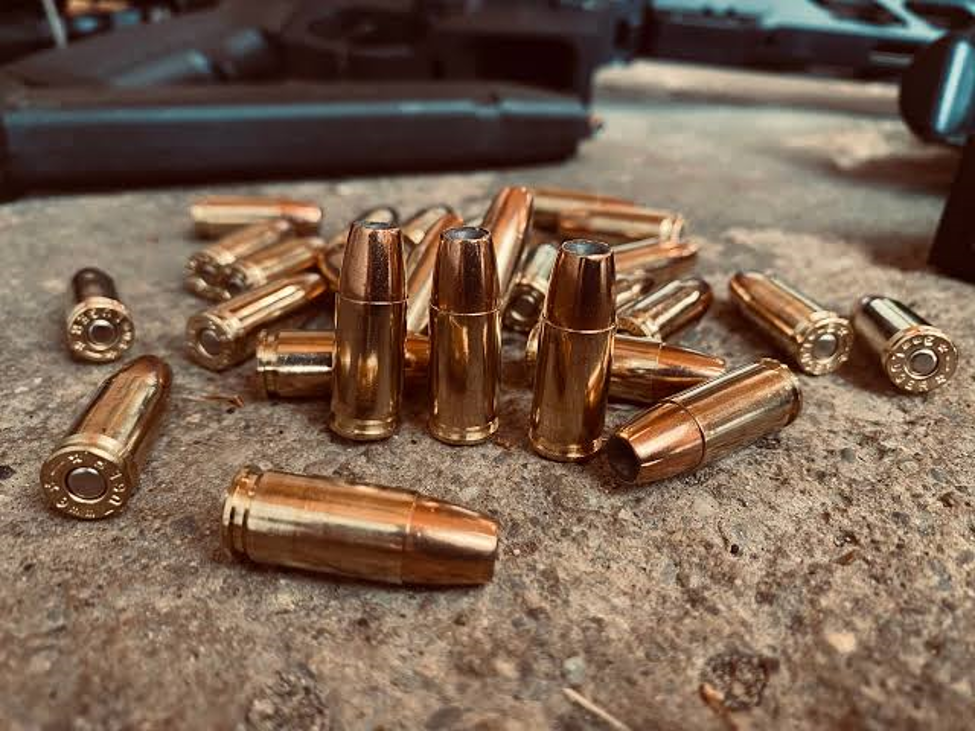
A box of ammunition contains more information than its brand name and cartridge designation. Printed labels, manufacturer details, lot numbers, and safety warnings all serve a purpose. For someone unfamiliar with ammunition packaging, these details can seem technical or easy to overlook. Yet understanding what they mean is an important part of firearm safety education. Learning to recognize standard labeling conventions can help individuals distinguish between cartridge types, interpret manufacturer notices, and avoid assumptions based on packaging appearance alone.
Why Ammunition Labels Deserve Attention
Ammunition packaging is designed to communicate essential product information. While packaging styles vary between manufacturers, labels commonly identify the cartridge designation, manufacturer, and other distinguishing characteristics. These details help explain what is inside a box without requiring someone to handle individual cartridges.
The terminology can also vary between civilian, historical, and military contexts. For example, munitions is a broad term that may refer to ammunition and other military materials. Understanding the context in which such terminology appears helps readers interpret documentation accurately rather than assuming that every related term describes the same category of product.
Understanding Cartridge Designations and Names
Cartridge names often combine numbers, letters, historical references, or manufacturer names. Their meaning is not always obvious. Some designations refer to approximate dimensions, while others reflect historical naming conventions that have remained in use for decades.
This creates an important distinction between a cartridge’s commonly used name and its full technical designation. Two names may sound similar without describing interchangeable cartridges. Official firearm documentation and manufacturer specifications should take precedence over assumptions based on familiar words or numbers.
What Different Packaging Details Mean
Several kinds of information may appear on ammunition boxes. Each serves a different identification or communication purpose, and not every manufacturer uses identical labeling conventions.
Common packaging details include:
- Manufacturer name: Identifies the company associated with the product.
- Cartridge designation: States the ammunition type described by the packaging.
- Projectile description: Provides terminology relating to the projectile’s construction.
- Lot number: Helps identify a particular production batch.
- Safety warnings: Communicate handling precautions and product limitations.
- Quantity: Indicates the number of cartridges originally included in the package.
Recognizing these categories makes technical labels easier to understand. However, printed information should never replace professional guidance when there is uncertainty about an unfamiliar cartridge.
Why Similar Cartridge Names Create Confusion
One of the most common sources of misunderstanding is the assumption that a shared numerical description means two cartridges are identical. Cartridge naming conventions developed over many years, and similar descriptions can refer to different designs.
Consider 9mm ammo, a phrase frequently encountered in discussions of handgun ammunition. Although people often use it to refer to 9×19mm Luger, other cartridges also contain 9mm in their names. These distinctions matter because naming similarities do not establish compatibility.
Readers should therefore pay attention to complete cartridge designations rather than relying on abbreviated terminology.
The Importance of Manufacturer Lot Numbers
A lot number identifies ammunition associated with a particular production batch. This information can become important when manufacturers issue safety notices or product recalls.
For example, a manufacturer may publish an announcement identifying specific production lots affected by a quality concern. Individuals can compare the published identifiers with the information on their packaging to determine whether further guidance is necessary.
Keeping original labels accessible can make this process easier. If a product is affected by a manufacturer notice, the instructions provided by the manufacturer should be followed carefully.
Understanding Warnings and Safety Notices
Warnings on ammunition packaging are not merely decorative text. They communicate information intended to reduce the risks associated with improper handling, storage, or use.
The wording and placement of warnings may differ between products, but readers should take them seriously. Manufacturer websites and official documentation may provide additional explanations when packaging instructions are unclear.
Individuals should also distinguish between general safety guidance and product-specific warnings. A notice concerning a particular manufacturing batch should not automatically be interpreted as applying to every cartridge bearing the same general designation.
Why Packaging Records Can Be Useful
Original packaging can help preserve important information that might otherwise be lost. Manufacturer names, cartridge designations, and lot numbers may be difficult to reconstruct once packaging has been discarded.
For people responsible for maintaining records of ammunition already in their possession, retaining packaging information can support accurate identification and make manufacturer announcements easier to interpret.
Unidentified cartridges should not be classified through visual guesswork. When labeling information is missing or uncertain, qualified professional assistance is the safer option.
Conclusion
Understanding ammunition packaging is largely an exercise in reading information carefully and recognizing the limits of familiar terminology. Cartridge designations, manufacturer records, lot numbers, and safety notices each contribute to a clearer understanding of what a label communicates. These details are particularly valuable when product identification becomes uncertain or a manufacturer publishes new guidance. Developing the habit of consulting authoritative information encourages better decisions and reduces unnecessary assumptions about unfamiliar ammunition products.