Skid Steer Loader Guide: Uses, Parts, and Working Basics
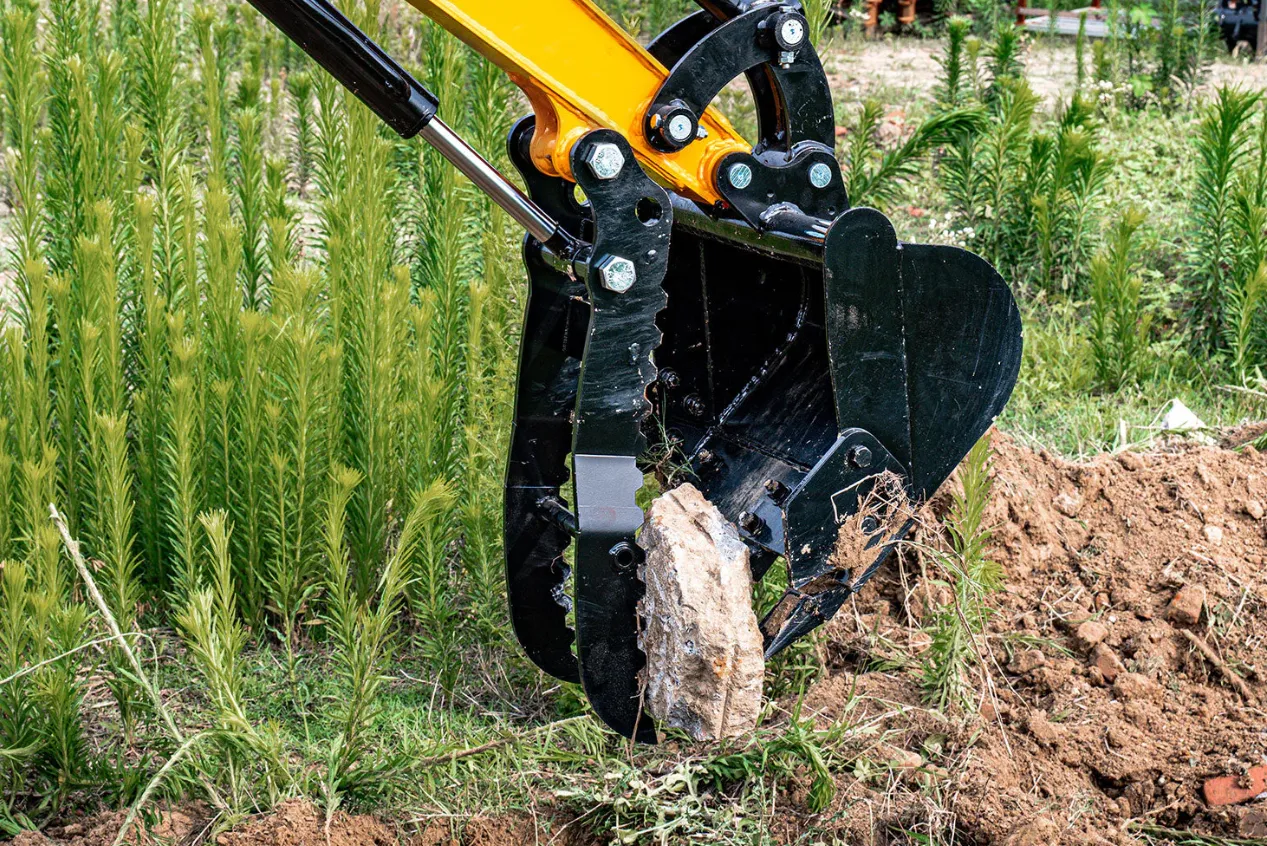
A skid steer loader is one of the most useful compact machines in construction, landscaping, farming, and property maintenance. It is small enough to work in tight areas but powerful enough to dig, lift, grade, clear, and carry materials. What makes it special is its steering method, strong hydraulic system, and ability to use many attachments. Instead of being limited to one task, it can change from a loader to a trencher, sweeper, auger, grapple, or mower with the right tool. This guide explains what it is, how it works, which parts matter most, and how to choose the right model for your job.
For more details, visit https://www.mmsce.com/blogs/news/skid-steer-loader-what-is-it-how-does-it-work-and-what-are-its-parts for complete information.
What Is a Skid Steer Loader?
This compact heavy-duty machine comes with front lift arms that can hold a bucket or many other attachments. It usually has four wheels or two tracks, depending on the model. Wheeled models are fast and easy to move on hard surfaces, while tracked models offer better grip on soft soil, mud, slopes, and uneven ground.
The name comes from the way it turns. Its wheels are fixed in a straight position, so it does not steer like a car. Instead, the left and right sides move at different speeds. When one side moves faster than the other, the machine skids slightly and turns. This gives it excellent turning ability in narrow spaces.
How Does It Work?
The machine works through a combination of engine power, hydraulic force, and differential steering. The engine creates the main power. That power is sent to hydraulic pumps, which move pressurized oil through hoses, valves, cylinders, and motors.
The hydraulic system controls several important functions, including:
- Moving forward and backward
- Lifting and lowering the arms
- Tilting the bucket
- Powering attachments
- Controlling speed and torque
Each side of the machine can be powered separately. This allows the operator to turn sharply, pivot, or make a zero-radius turn. In simple words, it can turn almost within its own length. This is why it is valuable in tight areas, such as residential yards, barns, warehouses, roadwork zones, and crowded construction sites.
Main Parts of the Machine
Understanding the main parts helps buyers and operators choose the right machine and maintain it properly.
1. Engine
The engine provides the power needed for travel, lifting, https://7.holiday/packages and attachment use. Smaller engines may work well for light landscaping, while more powerful models are better for digging, demolition cleanup, and material handling.
2. Hydraulic System
The hydraulic system is the heart of the machine. It converts engine power into controlled movement. A good hydraulic system improves lifting speed, breakout force, attachment performance, and overall productivity.
3. Lift Arms
The lift arms raise and lower the bucket or attachment. Some machines use radial lift arms, which provide strong reach at mid-height. Others use vertical lift arms, which are better for loading trucks or lifting materials higher.
4. Attachment Plate
The front attachment plate allows the operator to connect different tools. This is one of the biggest advantages of the machine because one unit can handle many jobs.
5. Wheels or Tracks
Wheels are best for paved, compact, or dry ground. Tracks are better for wet, loose, or uneven terrain. Choosing between wheels and tracks depends on the work environment.
6. Operator Cab and Controls
The cab protects the operator and gives access to joysticks, pedals, safety switches, visibility features, and comfort controls. A comfortable cab matters because operators may spend long hours inside the machine.
Common Uses in Construction and Landscaping
This compact loader is popular because it can perform many tasks with the right attachment. Common uses include:
- Moving soil, gravel, sand, mulch, and debris
- Digging and grading land
- Leveling driveways and small roads
- Clearing snow, brush, and job-site waste
- Loading trucks and trailers
- Preparing lawns and gardens
- Trenching for pipes or cables
- Drilling holes with an auger
- Sweeping paved areas
For contractors, this flexibility can reduce the need to buy or rent several separate machines. For landowners, farms, and service businesses, it can save time on repeated outdoor tasks.
Benefits of Using This Machine
The biggest benefit is versatility. Instead of using one machine for digging and another for cleaning or drilling, operators can change attachments and continue working. This makes the equipment practical for construction companies, landscaping teams, farms, warehouses, and municipal projects.
Other key benefits include:
- Compact size for small spaces
- Strong lifting performance
- Fast attachment changes
- Good maneuverability
- Easier transport than larger loaders
- Useful performance across different seasons
Many compact models can be transported with a suitable trailer, making them helpful for businesses that move between job sites.
Popular Attachments
Attachments turn the machine into a multi-purpose tool carrier. Some common options include:
- Bucket for loading and carrying
- Forks for pallets and materials
- Auger for drilling holes
- Grapple for logs, waste, and irregular materials
- Trencher for narrow digging
- Brush cutter for vegetation
- Sweeper for cleaning paved areas
- Snow blade or snow blower for winter work
- Rake for landscaping and soil preparation
Before choosing an attachment, check hydraulic flow, machine weight, lifting capacity, and connection compatibility. A powerful attachment will not work properly if the machine does not have enough hydraulic output.
Wheeled vs. Tracked Models
Both options are useful, but they perform better in different environments.
Wheeled models are usually faster, easier to maintain, and suitable for concrete, asphalt, dry soil, and firm surfaces. They are a good choice for general construction, warehouses, and roadwork.
Tracked models spread weight over a larger surface area. This gives them better traction and stability on soft, muddy, sandy, or uneven ground. They are useful for landscaping, farms, slopes, and sites where ground damage needs to be reduced.
If you mostly work on hard surfaces, wheels may be enough. If you often work in wet or rough terrain, tracks may be a better investment.
How to Choose the Right Model
Choosing the right model depends on your job type, site condition, and attachment needs. Before buying, compare:
- Rated operating capacity
- Engine power
- Hydraulic flow
- Lift height
- Machine width
- Operating weight
- Wheel or track design
- Attachment compatibility
- Ease of service
- Warranty and parts support
Do not choose only by size or price. A low-cost model may become expensive if it cannot handle your attachments or daily workload. A larger model may also be unnecessary if you mainly work in tight residential spaces.
For more details, visit https://www.mmsce.com/blogs/news/how-to-clean-a-lawnmower-carburetor-a-complete-step-by-step-guide for complete information.
Maintenance Tips for Long-Term Performance
Good maintenance keeps the machine safe, reliable, and productive. Operators should inspect the equipment before use and follow the manufacturer’s service schedule.
Basic maintenance includes checking:
- Engine oil and coolant
- Hydraulic fluid level
- Hoses and fittings
- Tires or tracks
- Bucket pins and bushings
- Air filter
- Battery condition
- Attachment locking system
Cleaning the machine after dusty, muddy, or heavy work also helps protect parts. Small issues should be fixed early before they become costly repairs.
FAQ
1. What is this equipment used for?
It is used for digging, lifting, grading, loading, clearing, trenching, sweeping, drilling, and material handling. With attachments, it can work in construction, landscaping, farming, and property maintenance.
2. Is a tracked model better than a wheeled model?
A tracked model is better for mud, soft soil, slopes, and uneven ground. A wheeled model is better for hard surfaces, faster movement, and lower maintenance needs.
3. Can one machine use different attachments?
Yes. Most machines are designed to use multiple attachments, such as buckets, forks, augers, trenchers, grapples, sweepers, and brush cutters. Always check hydraulic and mounting compatibility.
4. Is this machine good for small job sites?
Yes. Its compact body and tight turning ability make it ideal for small areas where larger loaders cannot work efficiently.
Conclusion
A skid steer loader is a smart choice for anyone who needs compact power, strong maneuverability, and flexible job-site performance. It can dig, lift, load, clear, grade, and handle many other tasks with the right attachments. Its hydraulic system, lift arms, steering design, wheels or tracks, and operator controls all work together to deliver efficient results. Whether you are a contractor, landscaper, farmer, or property owner, choosing the right model depends on your working surface, lifting needs, attachment requirements, and long-term support. With proper maintenance and safe operation, this machine can become one of the most productive pieces of equipment in your fleet.