Where Can You Get a Natural Hair Transplant in Delhi? Understanding the Art and Science of Hair Restoration
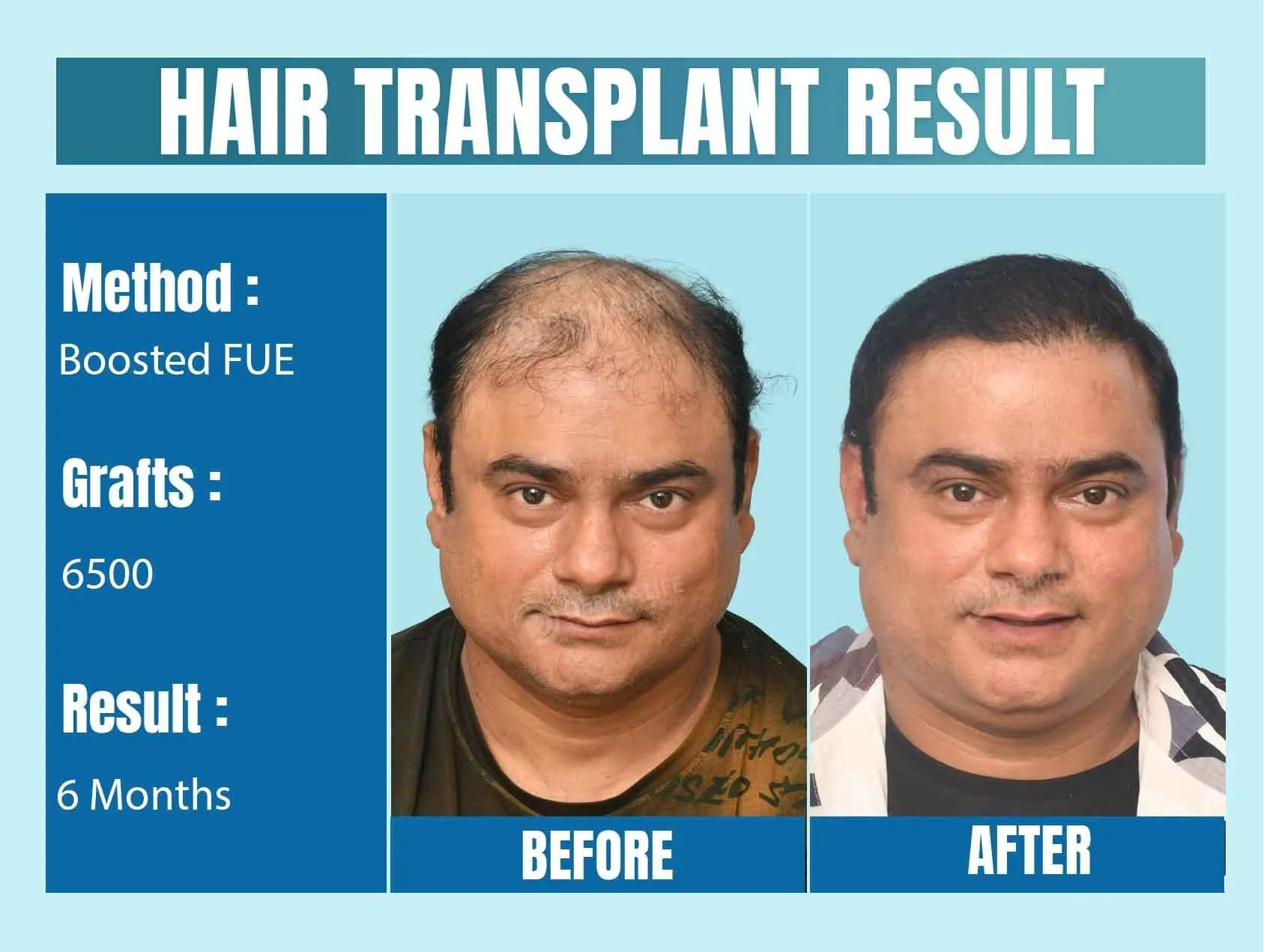
A hair transplant is not simply about moving hair follicles from one part of the scalp to another. The real objective is to restore hair in a way that complements the patient’s facial features, age, existing hair characteristics, and natural growth pattern.
For individuals experiencing receding hairlines, frontal baldness, or crown thinning, finding a clinic that prioritizes natural-looking results is essential. Delhi has several hair restoration centres, but patients should carefully evaluate the surgeon’s expertise, hairline design approach, graft handling techniques, and long-term treatment planning before selecting a clinic.
What Makes a Hair Transplant Look Natural?
A natural hair transplant should not look like transplanted hair. The restored hairline should blend with the surrounding hair, and the direction, angle, and distribution of implanted grafts should resemble natural hair growth.
Several factors contribute to the final appearance.
1. Natural Hairline Design
Hairline design is one of the most important aspects of hair restoration. A hairline that is too low, straight, or symmetrical may appear artificial.
An experienced surgeon considers facial proportions, forehead dimensions, age, existing hair density, and future hair loss while designing the hairline.
2. Correct Graft Distribution
Follicular units naturally contain different numbers of hair follicles. Single-hair grafts are generally used along the frontal hairline to create a softer transition, while multi-hair grafts may be placed behind the hairline to improve density.
3. Appropriate Hair Growth Direction
The direction and angle of implanted hair influence how naturally it blends with existing hair. Incorrect angulation can make transplanted hair stand out.
4. Donor Area Management
The donor area, usually located at the back and sides of the scalp, contains the follicles used for transplantation.
Excessive extraction can create visible thinning in this region. Therefore, graft harvesting should be planned according to donor density and long-term availability.
Why Choosing an Experienced Surgeon Matters
Hair transplant surgery requires medical knowledge, surgical precision, and an understanding of aesthetic proportions.
The surgeon must assess whether the patient is suitable for surgery, estimate the available donor supply, and determine how grafts should be distributed.
Dr. Gaurav Garg, Director of Dermalife Skin & Hair Clinic in New Delhi, is a dermatologist and hair transplant surgeon with more than 18 years of experience and over 10,000 hair transplant procedures, according to his professional profile.
He completed his MBBS and MD in Dermatology and Venereology from Seth G. S. Medical College and KEM Hospital, Mumbai.
His additional training includes a fellowship in hair transplant surgery at Dr. Alex’s Hair Transplant Clinic in Israel, a fellowship in dermatosurgery at PGI Chandigarh, and advanced training in dermatology, dermatosurgery, and lasers at the National Skin Centre in Singapore.
His participation in international hair restoration conferences, including ISHRS Panama in 2022 and the World FUE Institute meeting in Bangkok in 2023, reflects his involvement in the professional hair restoration community.
Understanding FUE Hair Transplantation
Follicular Unit Extraction, commonly called FUE, is a technique in which individual follicular units are extracted from the donor area and implanted into areas affected by hair loss.
Unlike the traditional strip harvesting method, FUE does not involve removing a strip of scalp. Instead, small extraction sites are created individually in the donor region.
At Dermalife Skin & Hair Clinic, Dr. Gaurav Garg offers FUE and the clinic’s specialized Boosted FUE approach.
Boosted FUE incorporates specialized extraction instruments, jeweller’s forceps, and the clinic’s No Root Touch method, which aims to minimize direct handling of the graft root.
Careful graft extraction, preservation, and implantation are important throughout the procedure. However, final growth and density depend on several patient-specific and surgical factors.
Can Hair Transplant Surgery Restore a Receding Hairline?
Hairline restoration is one of the common reasons people consider hair transplant surgery.
Men with androgenetic alopecia may experience progressive recession around the temples and frontal scalp. Depending on the extent of hair loss, a surgeon may recommend rebuilding the frontal hairline and improving density behind it.
The treatment plan should account for future hair loss. A very aggressive hairline restoration at a young age may use donor follicles that could be needed later.
Patients with ongoing hair loss may also require medical management to preserve their existing hair.
Natural Results Require Proper Planning and Patience
Hair transplant results do not appear immediately after surgery. The transplanted hair commonly sheds during the initial postoperative period, while new growth develops gradually over subsequent months.
Visible improvement generally develops over six to twelve months, although some patients may require longer for their final results to mature.
Patients should follow postoperative instructions, attend follow-up consultations, and discuss any unexpected symptoms with their medical team.
It is also important to understand that a hair transplant does not stop the progression of genetic hair loss in untreated areas.
Where to Find Celebrity Natural Hair Restoration in Delhi
Patients researching celebrity natural hair transplant options in Delhi can consider specialized centres that provide personalized hairline planning and comprehensive donor area evaluation.
Dermalife Skin & Hair Clinic, located in Green Park Extension, South Delhi, offers FUE-based hair restoration and individualized treatment planning under the direction of Dr. Gaurav Garg.
The clinic evaluates patients according to their hair loss pattern, scalp condition, donor availability, and restoration goals before recommending surgery.
Final Thoughts
A successful hair transplant is not defined simply by the number of grafts implanted. Natural hairline design, appropriate graft distribution, careful donor management, and realistic expectations are equally important.
Anyone considering a natural hair transplant in Delhi should choose a qualified surgeon who understands both the medical and aesthetic aspects of hair restoration.
A detailed consultation can help determine the most appropriate technique and whether surgery is likely to achieve the desired improvement.