Why ‘Just Bury the Power Lines’ Is Far More Complicated Than It Sounds
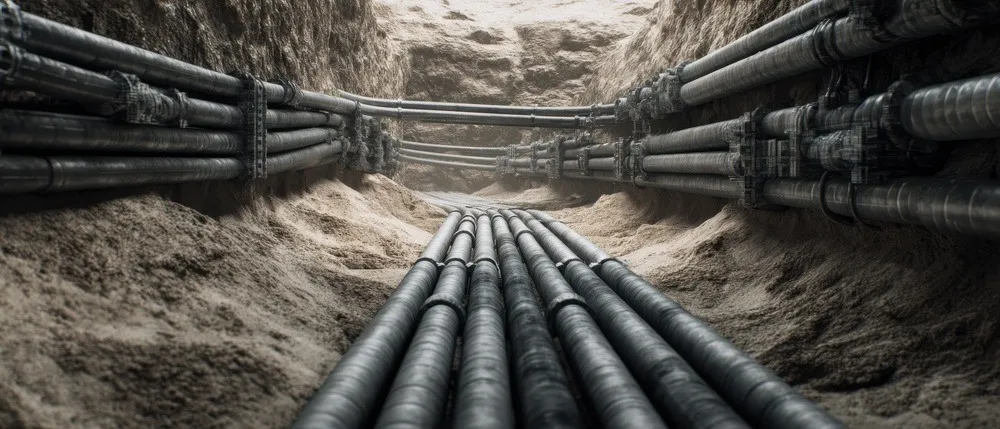
Every big storm kicks off the same online debate. The power goes out, people get frustrated, and someone posts the magic solution: bury all the lines. Problem solved. Except it is not solved. Not even close. That “obvious” fix carries a price tag and a pile of engineering problems that most people never hear about.
Brace Yourself for the Numbers
Installing a mile of overhead power line typically costs about $285,000. Burying that same mile? The price ranges from $1.5 million to over $6 million. High voltage transmission lines can blow past even that range. Guess who pays. You do. Through your electric bill. We are talking serious monthly increases that hit working families hardest. And for what? Wires you will never actually see.
A Spaghetti Mess Under Every Road
Most people picture a clean trench with a cable dropped neatly inside. The reality is different. Beneath American streets, you’ll find a dense network of water pipes and gas mains. You’ll find sewer systems and fiber optic lines. Everything crammed tight. Crews cannot just fire up an excavator and hope for the best. One wrong dig and a neighborhood loses water or gas service on top of the power outage they were trying to prevent.
Then there is the cable itself. Overhead wires cool themselves in open air. They use that air as free insulation. Stick a cable underground and you need thick, expensive protective material wrapped around it. This is to keep high-voltage electricity from bleeding into the dirt. Heavier cable. Higher cost. Trickier installation.
Good Luck Finding the Break
This is where the real frustration begins. When a tree hits an overhead wire, a crew identifies the damage, travels to the site, and fixes it. They restore power within hours. Routine stuff. A buried cable fails and nobody can see where. Technicians bring out specialized detection equipment, scan the line, narrow down the fault location, then dig up the street to reach it. Roads close. Traffic backs up. Days pass. Sometimes weeks. Hospitals running on backup generators do not love that timeline.
Heat Has Nowhere to Go
When electricity travels in a wire, it creates heat. That is just physics. Above ground, heat radiates away into open air. No big deal. Underground, soil and concrete insulate the cable, trapping heat. It’s comparable to putting on a winter coat in the middle of July. The cable heats up, deteriorates more quickly, and ultimately malfunctions prematurely. Controlling voltage on lengthy buried lines becomes more challenging for engineers due to reactive power issues. At a certain distance, the math simply stops working.
Burial Makes Sense in the Right Spots
Nobody credible argues that underground lines are useless everywhere. Wildfire country benefits enormously from removing overhead wires that can spark blazes. New neighborhoods often bury cables during construction because the expense blends into the building budget. Dense downtown areas sometimes justify it too. The winning strategy is selective. Bury where risk runs highest and the payoff is crystal clear. Strengthen overhead lines in places where burial does not pencil out. Companies that provide underground transmission services, such as Commonwealth, carry the deep engineering expertise utilities need to figure out which locations actually warrant the investment and which ones do not.
Conclusion
Burying all of America’s power lines would be prohibitively expensive and introduce significant maintenance challenges. Engineering difficulties persist even when cables are hidden. But targeted burial in high risk areas? That saves lives. That prevents disasters. The goal should never be all or nothing. It should be putting the right solution in the right place.