Fitness Trends in 2026 Transforming Modern Workout Routines
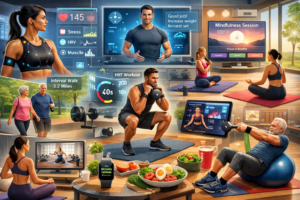
Fitness has always evolved alongside technological innovation, lifestyle changes, and scientific discoveries about health and performance. In 2026, the fitness industry is experiencing a major transformation as modern workout routines become more personalized, technology-driven, and holistic. People are no longer focusing only on physical strength or weight loss; instead, they are adopting fitness practices that improve overall well-being, mental health, and long-term longevity. The integration of wearable devices, artificial intelligence, functional training, and flexible workout formats is reshaping how individuals approach exercise. These emerging trends are helping people stay active in ways that are efficient, engaging, and sustainable.
Rise of Wearable Fitness Technology
Wearable technology continues to be one of the most influential trends shaping modern fitness routines. Devices such as smartwatches, fitness trackers, and smart rings provide real-time insights into heart rate, activity levels, sleep patterns, and recovery status. These tools allow individuals to monitor their performance and adjust workouts according to their personal fitness data.
Many wearable technologies now go beyond simple step tracking and offer advanced health monitoring features such as stress analysis and heart-rate variability tracking. Some smart clothing and sensor-embedded sportswear can even analyze posture, muscle activity, and movement patterns during exercise. This data-driven approach helps users optimize training, reduce injury risk, and achieve more accurate fitness goals.
AI-Powered Personalized Training
Artificial intelligence is transforming the way people design and follow workout routines. AI-powered fitness platforms analyze personal data such as workout history, heart rate, fitness goals, and physical performance to create customized exercise plans. Instead of using generic workout programs, individuals now receive recommendations tailored to their unique needs.
AI systems can also provide real-time feedback and adjustments during workouts. For example, digital fitness coaches can track progress, suggest training intensity changes, and offer guidance on recovery and nutrition. This personalized approach increases motivation and improves training efficiency. As AI technology continues to develop, it is expected to become a central component of modern fitness programs and home workouts.
Functional Fitness and Real-Life Movement
Functional fitness training is becoming increasingly popular because it focuses on movements that mimic everyday activities. Exercises such as squats, lunges, push-ups, and balance training help improve mobility, coordination, and overall body strength. This style of training is designed to enhance practical physical abilities rather than just building muscle for appearance.
Functional training is beneficial for people of all ages because it improves posture, flexibility, and injury prevention. Many gyms now include specialized equipment such as resistance bands, kettlebells, sleds, and mobility tools to support functional workouts. This trend reflects a broader shift toward exercise routines that improve overall health and physical capability in daily life.
Short and Flexible Workout Formats
Modern lifestyles often leave little time for lengthy gym sessions, which has led to the growing popularity of short and efficient workouts. “Snack-sized workouts” and quick training sessions are designed to deliver effective results in a limited time. These routines may include short bursts of strength training, bodyweight exercises, or high-intensity intervals.
The idea behind these shorter workouts is that consistency matters more than duration. Even brief exercise sessions can significantly improve cardiovascular health, muscle strength, and energy levels when performed regularly. This flexible approach allows people with busy schedules to maintain active lifestyles without committing to long gym sessions every day.
High-Intensity Interval Training (HIIT) Evolution
High-Intensity Interval Training, commonly known as HIIT, remains one of the most effective and popular workout styles in modern fitness programs. HIIT workouts involve short bursts of intense activity followed by brief recovery periods. This method helps burn calories quickly while improving cardiovascular fitness and endurance.
In 2026, HIIT has evolved to include more diverse and low-impact formats. Variations such as water-based HIIT, dance-inspired interval training, and hybrid strength-cardio workouts are becoming more common. These new approaches maintain the efficiency of HIIT while reducing strain on joints and making workouts accessible to a wider range of fitness levels.
Walking-Based Fitness Trends
Walking is experiencing a major resurgence as a simple yet powerful form of exercise. Innovative walking programs such as interval walking, weighted-vest walking, and structured walking challenges are gaining popularity worldwide. These routines combine low-impact cardio with muscle engagement and endurance training.
One example is interval walking programs that alternate between fast and slow walking phases. This method can improve aerobic capacity, muscle strength, and cardiovascular health when practiced regularly. Walking-focused fitness trends appeal to people of all ages because they require minimal equipment and can be easily integrated into daily routines.
Integration of Mental Wellness and Fitness
Fitness in 2026 is no longer limited to physical exercise alone. Many workout programs now integrate mental wellness practices such as mindfulness, meditation, and stress-management techniques. Activities like yoga, breathing exercises, and relaxation training are becoming essential components of modern fitness routines.
These practices help reduce stress, improve mental clarity, and enhance emotional balance. By combining physical movement with mental relaxation, individuals can experience a more holistic approach to health. This shift reflects the growing understanding that mental and physical health are closely connected and should be developed together.
Growth of Home Workouts and Digital Fitness Platforms
The popularity of home workouts continues to grow as digital fitness platforms make professional training accessible from anywhere. Online workout classes, virtual coaching, and fitness apps allow individuals to exercise without visiting a gym. Many platforms offer live sessions, recorded training programs, and progress tracking tools.
Digital fitness solutions also create a sense of community by connecting users through challenges, leaderboards, and social sharing features. This virtual environment encourages motivation and accountability. As internet connectivity and technology improve, home-based fitness is likely to remain a major part of modern workout culture.
Longevity and Health-Focused Training
Another major trend in 2026 is the shift toward longevity-focused fitness. Instead of exercising solely for appearance or rapid weight loss, many people are adopting training methods designed to improve long-term health and quality of life. Strength training, mobility exercises, and balance training are becoming central components of these programs.
Longevity-focused fitness emphasizes maintaining muscle mass, improving joint health, and supporting healthy aging. This approach encourages sustainable habits that promote physical independence and overall wellness throughout life. As awareness of preventive healthcare grows, fitness routines are increasingly designed to support long-term vitality and resilience.
Conclusion
Fitness trends in 2026 are transforming modern workout routines by combining technology, science, and holistic health principles. Wearable devices, artificial intelligence, and digital platforms are making exercise more personalized and accessible than ever before. At the same time, functional training, short workouts, and walking-based fitness are providing practical solutions for busy lifestyles.
The integration of mental wellness and longevity-focused training further highlights the evolving understanding of fitness as a comprehensive lifestyle rather than a temporary activity. As these trends continue to develop, individuals will have more opportunities to adopt sustainable workout routines that improve both physical and mental well-being. The future of fitness lies in personalization, flexibility, and a balanced approach to health that supports people throughout every stage of life.
Read more : digisoftron.com