Strength Training Benefits for Overall Health and Fitness
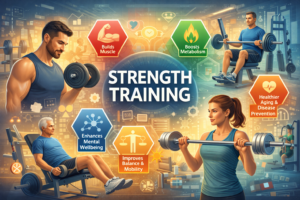
Strength training has become an essential part of modern fitness routines and overall health management. Once considered primarily for athletes or bodybuilders, strength training is now widely recommended for people of all ages and fitness levels. It involves exercises that improve muscle strength and endurance by working against resistance, such as weights, resistance bands, or body weight.
In recent years, health experts and fitness professionals have emphasized the importance of strength training as part of a balanced exercise program. It not only improves physical appearance but also contributes to better overall health, disease prevention, and enhanced quality of life. When performed consistently and correctly, strength training can support long-term wellness and physical independence.
Understanding the benefits of strength training can encourage individuals to incorporate it into their regular fitness routines. The following sections explore the key ways in which strength training contributes to overall health and fitness.
Table of Contents
ToggleBuilding Muscle Strength and Endurance
One of the primary benefits of strength training is the development of stronger muscles. Resistance exercises challenge muscle fibers, causing them to adapt and grow stronger over time. As muscles become stronger, individuals are able to perform daily tasks more easily and with less fatigue.
Muscle endurance also improves through consistent strength training. This means muscles can sustain activity for longer periods without becoming tired. Everyday activities such as carrying groceries, climbing stairs, or lifting objects become easier when muscles are well conditioned.
Stronger muscles also support proper body posture and movement patterns. This reduces the risk of muscle imbalances and improves overall physical performance. Over time, improved muscle strength helps individuals maintain mobility and physical independence.
Improving Bone Health and Density
Strength training plays an important role in maintaining strong and healthy bones. As people age, bone density naturally decreases, which can increase the risk of fractures and conditions such as osteoporosis. Resistance exercises stimulate bone-forming cells, helping to maintain or increase bone density.
Weight-bearing movements such as squats, lunges, and resistance exercises place controlled stress on bones, encouraging them to become stronger. This process helps maintain bone strength and reduces the risk of bone-related injuries.
Regular strength training is particularly beneficial for older adults because it helps preserve bone mass and reduce the likelihood of falls. By improving both muscle strength and bone health, resistance training supports long-term skeletal stability and overall physical resilience.
Supporting Metabolism and Weight Management
Strength training can also support healthy metabolism and weight management. Muscle tissue requires more energy to maintain than fat tissue, which means individuals with greater muscle mass tend to burn more calories even at rest. This can help support long-term weight control.
Resistance training also helps reduce body fat while preserving lean muscle mass. Unlike some forms of exercise that primarily burn calories during activity, strength training provides metabolic benefits that continue after workouts.
Combining strength training with balanced nutrition and cardiovascular exercise can create an effective strategy for maintaining a healthy body composition. This approach helps individuals manage weight while improving strength and overall fitness levels.
Enhancing Mental Health and Well-Being
Physical exercise, including strength training, has significant benefits for mental health. Engaging in resistance exercises stimulates the release of endorphins and other chemicals in the brain that promote positive mood and reduce stress.
Many individuals report improved self-confidence and self-esteem as they become stronger and achieve fitness goals. Strength training also provides a sense of accomplishment, which can contribute to emotional well-being.
Regular exercise has also been associated with reduced symptoms of anxiety and depression. By incorporating strength training into a routine, individuals can experience both physical and psychological benefits that support a healthier lifestyle.
Improving Balance, Coordination, and Mobility
Strength training helps improve balance, coordination, and overall movement control. Strong muscles support joints and stabilize the body during physical activities, reducing the likelihood of injuries.
Exercises that involve multiple muscle groups encourage coordination between different parts of the body. This improves overall movement efficiency and helps individuals perform physical tasks more safely.
For older adults, improved balance and mobility are particularly important because they help reduce the risk of falls. Strengthening the muscles around key joints such as the hips, knees, and ankles contributes to better stability and safer movement.
Reducing the Risk of Chronic Diseases
Regular physical activity, including strength training, plays a role in reducing the risk of several chronic health conditions. Studies have shown that resistance training can help improve blood sugar control, making it beneficial for individuals with or at risk of type 2 diabetes.
Strength training can also support cardiovascular health by improving blood circulation, reducing blood pressure, and helping maintain healthy cholesterol levels. These effects contribute to better heart health and reduced risk of cardiovascular diseases.
Additionally, regular resistance exercise can support joint health and reduce the symptoms of certain musculoskeletal conditions. By strengthening muscles around joints, individuals may experience less pain and improved joint function.
Supporting Healthy Aging
Strength training is particularly important for maintaining health as people grow older. Aging is often associated with a gradual loss of muscle mass, a condition sometimes referred to as age-related muscle decline. This loss of strength can affect mobility, independence, and quality of life.
Resistance training helps slow down this process by maintaining muscle mass and strength. Even individuals who begin strength training later in life can experience significant improvements in strength, balance, and functional ability.
Maintaining physical strength allows older adults to remain active and independent for longer periods. This not only improves quality of life but also reduces the risk of injury and health complications associated with physical inactivity.
Conclusion
Strength training is a powerful tool for improving overall health and fitness. It offers numerous benefits, including increased muscle strength, improved bone density, better metabolism, and enhanced mental well-being. These advantages make strength training an important component of a balanced fitness routine.
By incorporating resistance exercises into regular physical activity, individuals can improve their physical performance and support long-term health. Strength training also helps prevent injuries, manage weight, and reduce the risk of chronic diseases.
Ultimately, strength training is not limited to athletes or fitness enthusiasts. People of all ages and fitness levels can benefit from incorporating resistance exercises into their routines. With proper guidance and consistent effort, strength training can contribute to a healthier, stronger, and more active lifestyle.
